Design, Typography & Visual Management (12)
Moodboard Creation & Visual Identity: From Concept to Aesthetic
Synthesizing textures, photographic styles, color swatches, and typography into a cohesive editorial moodboard.
What will you find in this guide?
- Construct an authoritative editorial moodboard to anchor the conceptual aesthetic of each new issue.
- Translate tactile textures, architectural references, and cinematic lighting into visual assets.
- Draft an unambiguous Visual Style Guide to align creative directors, photographers, and stylists.
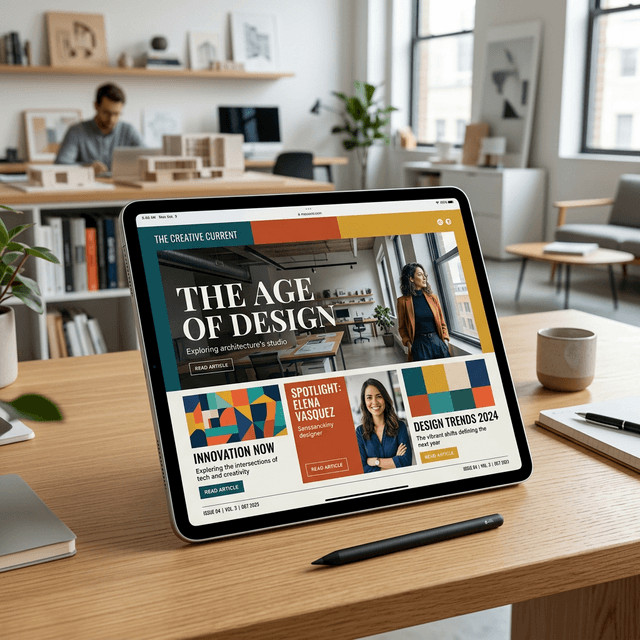
The Editorial Moodboard: The Aesthetic Compass
When an issue theme is conceived ("Sub-Arctic Solitude & Brutalism"), each creative envisions a divergent reality. The writer imagines frosted taiga forests; the art director envisions cold structural concrete; the photographer imagines moody tungsten interiors.
The Editorial Moodboard synthesizes these diffuse imaginations into an authoritative visual constitution, guaranteeing collective harmony.
The Five Essential Layers of an Editorial Moodboard
- Atmospheric Lighting Direction: The physical behavior of light (e.g., Diffuse sub-polar overcast, low-angle Nordic dusk, zero harsh specular highlights).
- Tactile & Material Textures: High-resolution scans of raw linen weaves, weathered slate, cast bronze, or uncoated archival paper fibers.
- Calibrated Color Chips: Exact HEX, RGB, and Pantone spot specifications governing the volume.
- Typographic Posture: Specimen fragments demonstrating the exact emotional tension between display type and negative space.
- Framing & Spatial Geometry: Rules governing subject scale, focal distance, and mandatory negative space allowances.
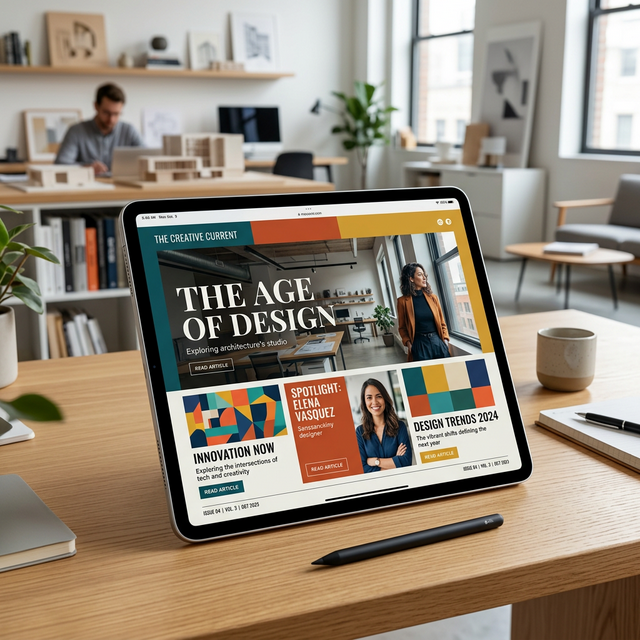
Production Platforms
- Figma & Milanote: Optimal for collaborative, real-time digital curation with distributed global teams.
- The Physical Studio Pin-Board: Pinning physical paper stocks, fabric swatches, and test color proofs preserves the tactile soul of periodic media.
Commissioning Protocol: Never dispatch an editorial assignment with words alone. Attach your curated Issue Moodboard PDF to every photographer and illustrator brief: "This is the world of Issue 12; your artwork must organically inhabit this precise emotional frequency."
Key Takeaways
Launching layout production without a moodboard is navigating without a compass; it aligns the entire collective.
Source inspiration beyond existing magazines—mine Brutalist architecture, raw textile weaves, and cinema stills.
A crystal-clear issue moodboard eliminates costly creative revisions from commissioned artists and photographers.