What Does an Editor Do? What Are the Responsibilities of an Editor in Magazines?
All details of the editorial profession, criteria, and the secrets of processing a text like a diamond.

Editor: The Architect of Words and Meaning
One of the most frequently asked questions in the magazine world is: What does an editor do? While many people see an editor as just "the person who fixes mistakes," in reality, editing is the most critical bridge that determines the quality of a magazine.
1. Basic Definition: What is This Role?
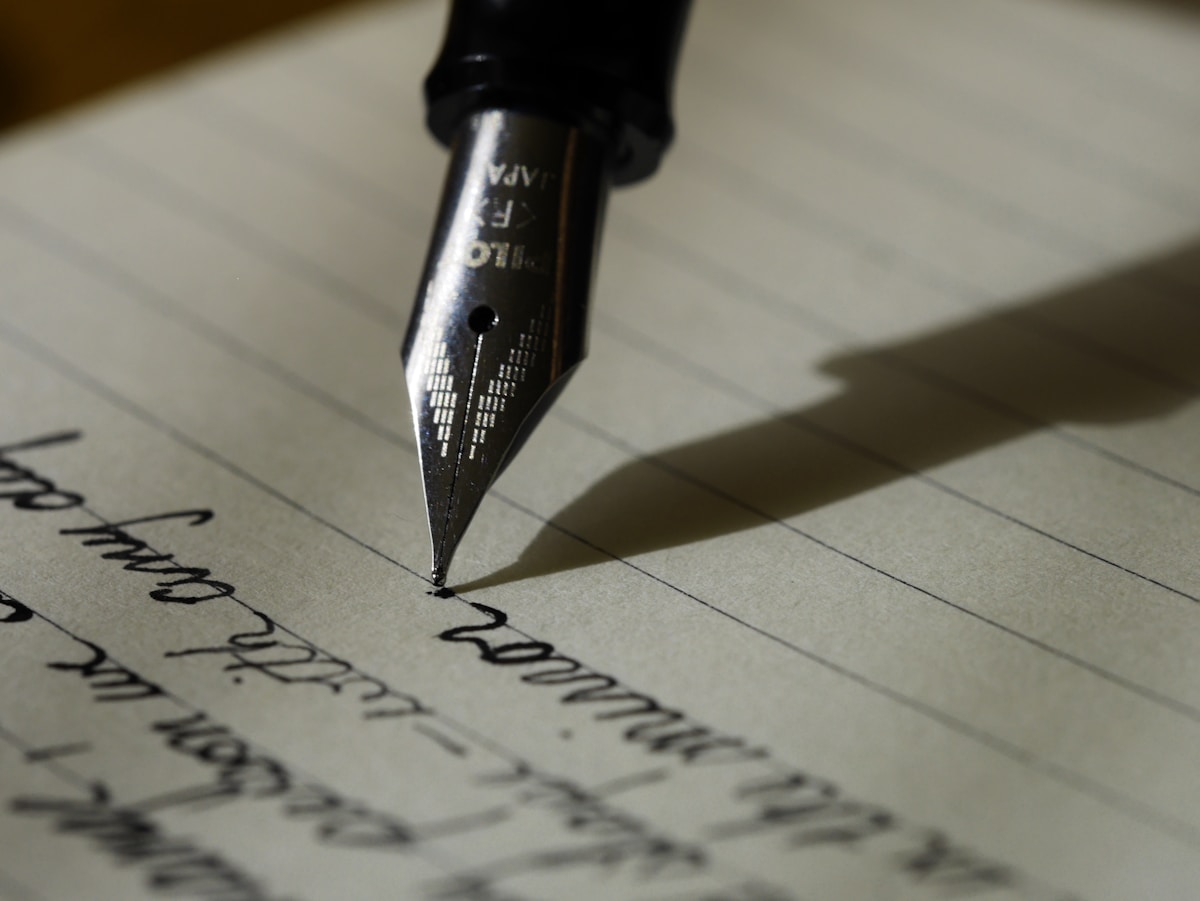
An editor is the person who takes the raw material sent by the writer and turns it into content that the reader will consume with appetite. Why do they exist in a magazine? Because writers can sometimes lose the reader's perspective because they are too close to the subject; the editor steps in here as the "reader's advocate." This role can also be referred to in the literature with titles such as Copywriter, Copy Editor, or Content Strategist.
2. Main Duties: What Do They Do?
An editor's daily work is not just reading:
- Content Curation: Decides which topics will be covered.
- Communication: Constant contact with writers, guiding them.
- MagPublish Integration: Reviews work applications (submissions) coming through the MagPublish platform, sends digital feedback to writers.
- Cross-Team Collaboration: Coordinates visual harmony with the art director and text length with the layout artist.
3. Area of Responsibility
The editor is responsible for content quality and accuracy. Deadlines are determined according to the magazine's printing or publication schedule. A logic error or incorrect data in a text is the direct responsibility of the editor.
4. Limits of Authority: What Can They Decide?
An editor can decide whether a text will be published, which parts will be removed, or what the headline will be. However, for budgetary matters concerning the general cover of the magazine or the entire issue, they must consult with the Editor-in-Chief.
5. Place in the Process
The editor is at almost every stage of the process:
- Acceptance: Receives works through the MagPublish system.
- Editing: Processes the text like a diamond.
- Control: Conducts the final proofread after layout.
6. Required Competencies and Tools
- Software: Microsoft Word, Google Docs, and especially expertise in the MagPublish Panel.
- Skills: High-level language mastery, empathy, and passion for research.
- Experience: Usually gained starting from intern editing.
7. In Which Magazines are They Necessary?
A magazine without an editor is like a ship without a rudder. They are indispensable in every professional magazine (academic, fashion, science). In small fanzines, this role may merge with the EIC.
8. Subtypes and Variations
- Content Editor: Story and fiction focused.
- Language Editor: Focuses only on grammar and fluency.
- Issue Editor: Responsible only for that special issue.
9. Application and Career Dimension
Someone who wants to be an editor should read a lot and analyze different styles. Writing your own blog or creating a portfolio by publishing your own digital magazine on MagPublish is the best way to start.
10. Common Misunderstandings
The perception that "the editor only fixes commas" is completely wrong. The editor is the person who builds the strategy of the text. Editorial work is also essential for deep content in digital magazines (like vlogs, podcast channels).
A good editor is the person who makes the writer's voice smoothest without destroying it. If the reader doesn't say "there's an editor's hand here" while reading the text but the text flows like oil, the editor has done their job perfectly.
MagPublish Tip: You can give feedback to your writers using the review panel provided by our platform, and take the quality of your content to the top in the digital environment.
What Are the Duties of a Consultant in Magazines? Science, Law, and Ethics Boards
The value added to the magazine by experts, consultants, and board members outside the editorial team.
or continue scrolling down