How to Write Magazine Headlines? Impressive Headline Techniques
Editorial headline formulas that capture reader attention with genuine curiosity without resorting to cheap clickbait.
What will you learn?
- Understand the 3-second cognitive rule and the attention economy in publishing.
- Apply the AIDA and 4U (Urgent, Unique, Useful, Ultra-specific) headline frameworks.
- Distinguish between news, inquiry, paradox, and lyrical headline architectures.
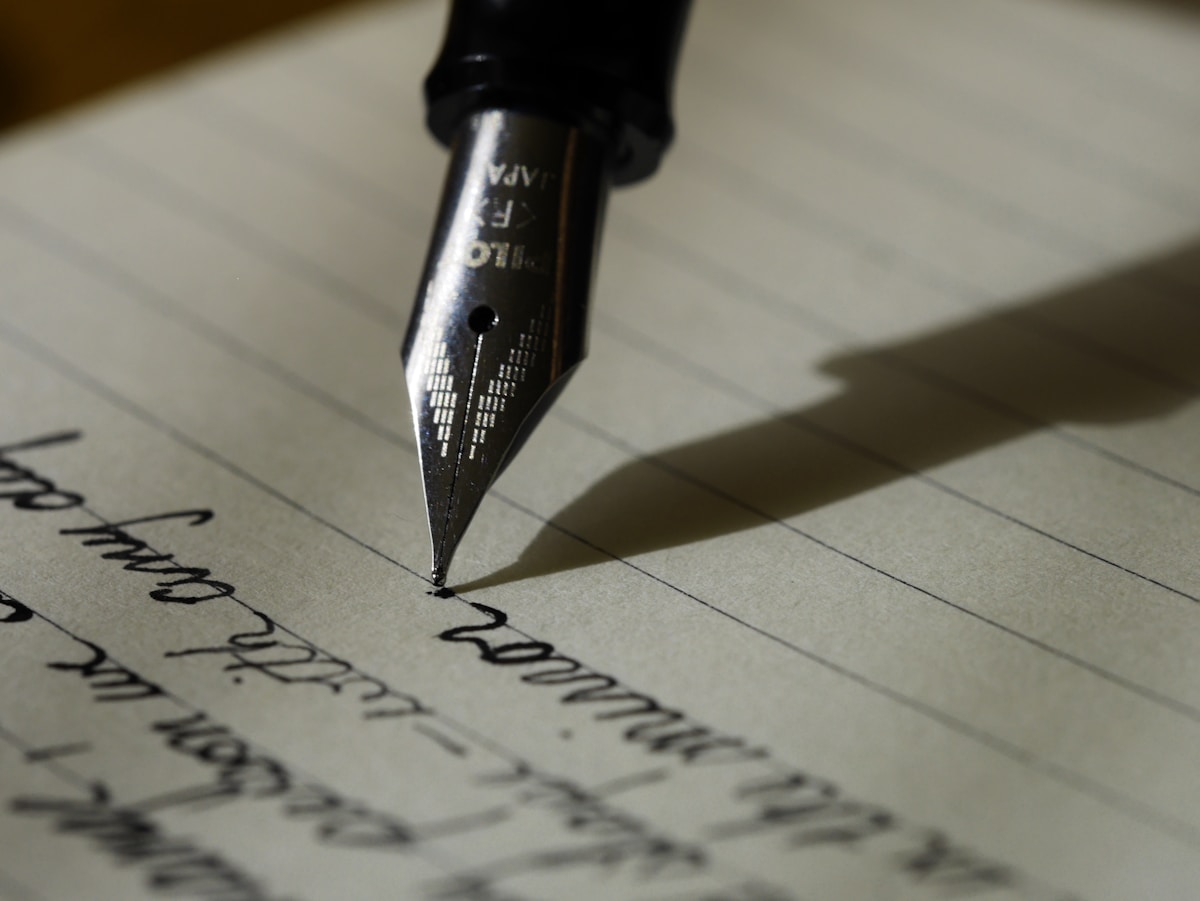
Headline Architecture: Winning the First 3 Seconds
When a reader encounters your cover or digital feature, they make an instantaneous neurological judgment in approximately three seconds: "Does this piece warrant my cognitive investment?"
A headline is not a bureaucratic abstract of the text; it is an editorial covenant. While cheap clickbait manipulates curiosity with hollow promises, a masterclass headline provokes authentic intellectual hunger and delivers rich satisfaction within the prose.
Proven Editorial Headline Frameworks
-
The Paradoxical Tension: Pairing contrasting realities to ignite cognitive intrigue.
- *Example: "The Quiet Rebellion of Print: Why Digital Natives Are Returning to Paper"
-
The Provocative Inquiry: Direct activation of the reader's unresolved internal debates.
- *Example: "Algorithms Can Compose Symphonies—Can They Truly Mourn?"
-
Empirical Specificity: Concrete numbers establish research rigor and tangible utility.
- *Example: "7 Bio-Architectural Materials Transforming the Megacities of 2030"
-
The Paradigm Shift: Challenging a foundational cultural assumption.
- *Example: "Slow Living is Not Aesthetic Luxury; It is an Urgent Survival Strategy"

Headline Typology Comparison
| Type | Intended Impact | Masterclass Example | Cliché to Avoid |
|---|---|---|---|
| Investigative | Gravitas & Urgency | "The Silent Warming: Mediterranean Marine Collapse" | "Recent Updates on the Mediterranean" |
| Philosophical | Lyrical Resonance | "The Architecture of Solitude: Contemplation in Noise" | "Thoughts About Solitude" |
| Critical Essay | Unfiltered Truth | "Under Algorithmic Surveillance: Who Bought Your Attention?" | "You Won't Believe What Your Phone Did!" (Clickbait) |
The Reverse-Extraction Principle: Never construct a headline in a vacuum before writing. Once your final draft is complete, comb through the text to locate your single most uncompromising, evocative sentence. The greatest headlines are not manufactured—they are extracted from the emotional core of the essay.
Key Takeaways
A headline is the entryway to your article; it promises a transformative revelation before entry.
A great headline does not fabricate; it illuminates the most vital truth from a provocative angle.
Draft your headline last; extract the single most arresting synthesis from within the final draft.
Professional Interview Techniques: Art of Deep Questioning
Mastering the art of psychological safety and deep inquiry to excavate authentic stories. The Paris Review methodology.
or continue scrolling down